Is this message real? A calm way to spot scam emails, texts and fake invoices
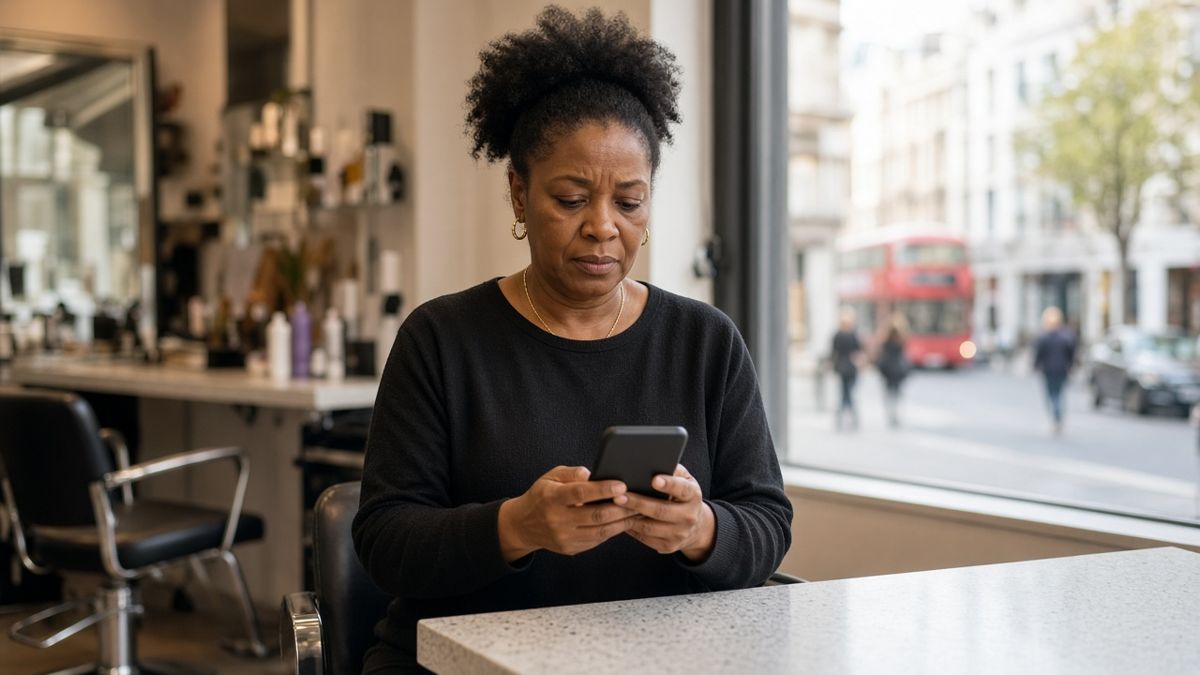
When you run a small business, your phone and inbox are busy all day. A supplier sends an invoice, a customer asks about a booking, a delivery company says a parcel is on its way. Mixed in are messages that only look genuine: a text saying your account is suspended, an email from "your bank", or an invoice with suddenly changed bank details.
Owners who get caught out are not careless. They are busy, and the message arrived at the wrong moment, between two customers or at the end of a long day. That is how these messages are designed to work. The good news is that a few simple habits make them much easier to spot. Knowing the email address and invoice style you usually use — the same ones that appear on your website — gives you a baseline to compare against.
The three signs to look for
Most scam messages lean on the same tricks. Before you click, reply or pay, pause and ask yourself three questions.
- Is it rushing me? "Act within 24 hours", "your account will be closed", "final warning". Genuine companies rarely give you minutes to act. Pressure is the scammer's best tool, because it stops you thinking.
- Is it asking for something unusual? A password, a security code, your card number, or a payment to a new account. Your bank will never ask you to move money to a "safe account", and no genuine company will ask you to read out a code sent to your phone.
- Does something feel slightly off? An email address that does not quite match the company name, a greeting like "Dear customer", a link that goes somewhere unexpected, or a message about an order you never placed.
If the answer to any of these is yes, stop there. You do not need to work out whether it is definitely a scam. You only need to check it a different way.
Be extra careful with invoices and changed bank details
One of the costliest scams for small businesses is the fake invoice or the "change of bank details" email. It looks as if it comes from a supplier you already use, sometimes from their real email account if theirs has been broken into. It says they have a new bank account and asks you to pay the next invoice there.
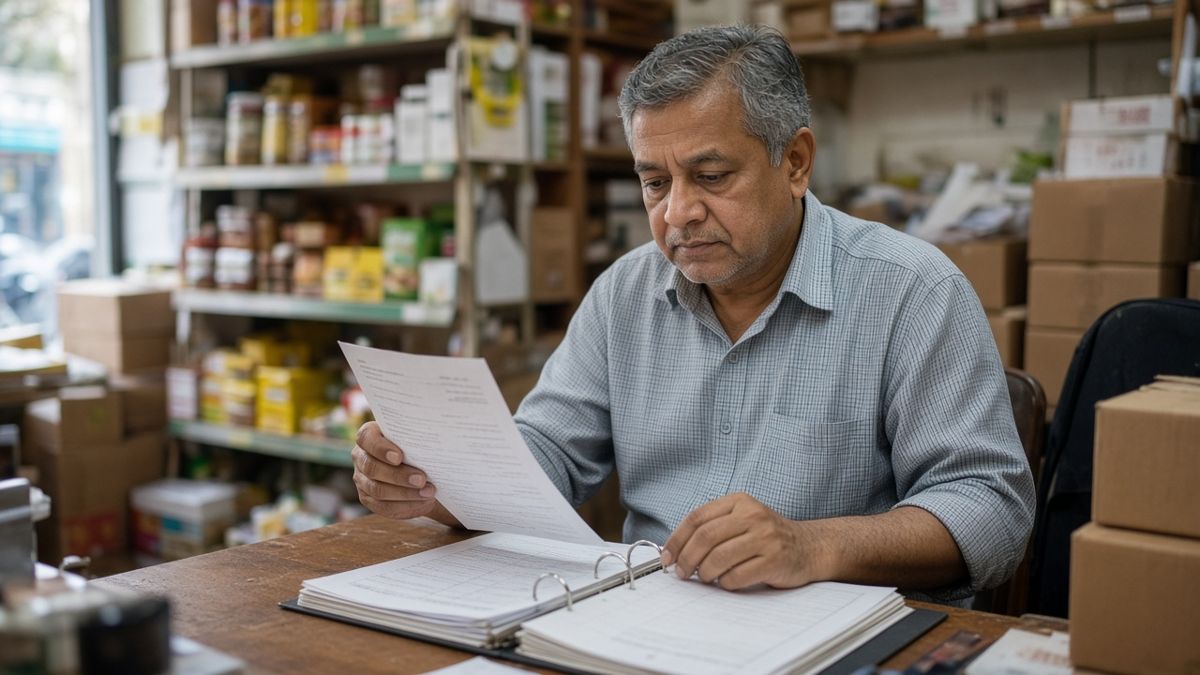
Make it a firm rule: if a supplier tells you their bank details have changed, you phone them before paying anything. Use the number you already have on file or on their own website, never the number in the email. A real supplier will be glad you checked.
It also helps to compare any unexpected invoice with your own records. Did you order this? Is the amount what you agreed? Does it match the way this supplier normally writes to you?
Check it yourself, a different way
The single most useful habit is this: never use the contact details inside a suspicious message. If an email says it is from your bank, close it and log in to your banking app as you normally would, or ring the number on the back of your card. If a text says a parcel is waiting, go to the delivery company's website by typing it in yourself.
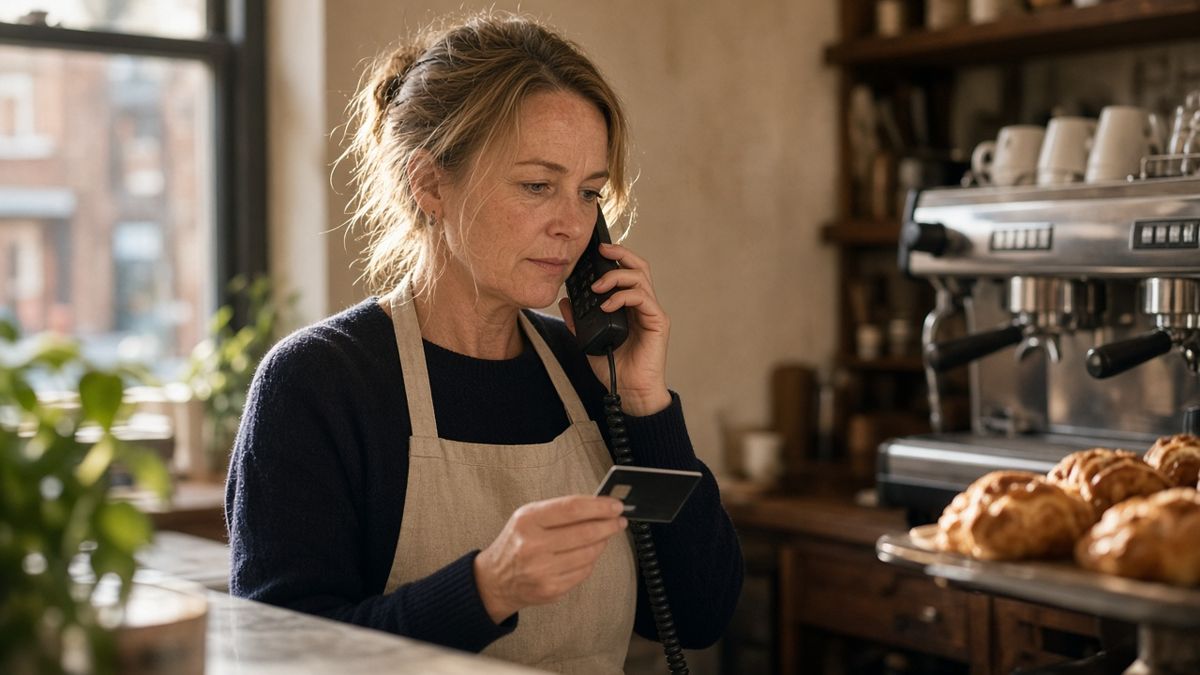
If someone phones you claiming to be from your bank, the police or a government office, it is fine to say you will call them back, then hang up. In the UK you can call 159 to reach many of the main banks' fraud teams safely. If you can, use a different phone, in case the caller has kept the line open.
Where to report a scam message
Reporting takes a few seconds and helps stop the same scam reaching others.
- Suspicious emails: forward them to [email protected], the National Cyber Security Centre's reporting address.
- Suspicious texts: forward them, free of charge, to 7726. Most UK mobile networks accept this.
- If you have paid money or shared bank details: call your bank straight away using the number on your card. The sooner they know, the more they may be able to do.
Then delete the message. You do not need to reply, and it is best not to.
Agree a simple rule with anyone who helps you
If a family member, a member of staff or a bookkeeper handles your post, emails or payments, have a short conversation about this. Agree that no one pays a new bank account, or changes payment details, without a phone call to check first. Agree that nobody shares a security code, whoever asks.

A small job you can do this week
Choose one habit to start with. Perhaps it is the phone-before-you-pay rule for changed bank details, or simply saving 159 and 7726 in your phone so they are there when you need them. If a message ever catches you out, please do not feel foolish. These messages are made by people whose full-time job is fooling others. What matters is acting quickly and telling your bank.
Would you like a hand?
If you would like help setting up safer habits for your business, such as checking your email security, turning on two-step sign-in, or agreeing a simple payments rule with your team, you can book a free discovery call and we can go through it together. Or, if you prefer to start on your own, my free AI starter kit is a gentle place to begin.